
ALADIN

About ALADIN

Objectives & Approach

ALADIN works towards circular, on-demand garment production in Europe — connecting regional microfactories through a shared digital platform.

Concept illustration of a connected microfactory

Challenge

Why European garment production needs a new setup

Today's textile value chains are long, offshore and poorly connected. ALADIN starts from these structural challenges.

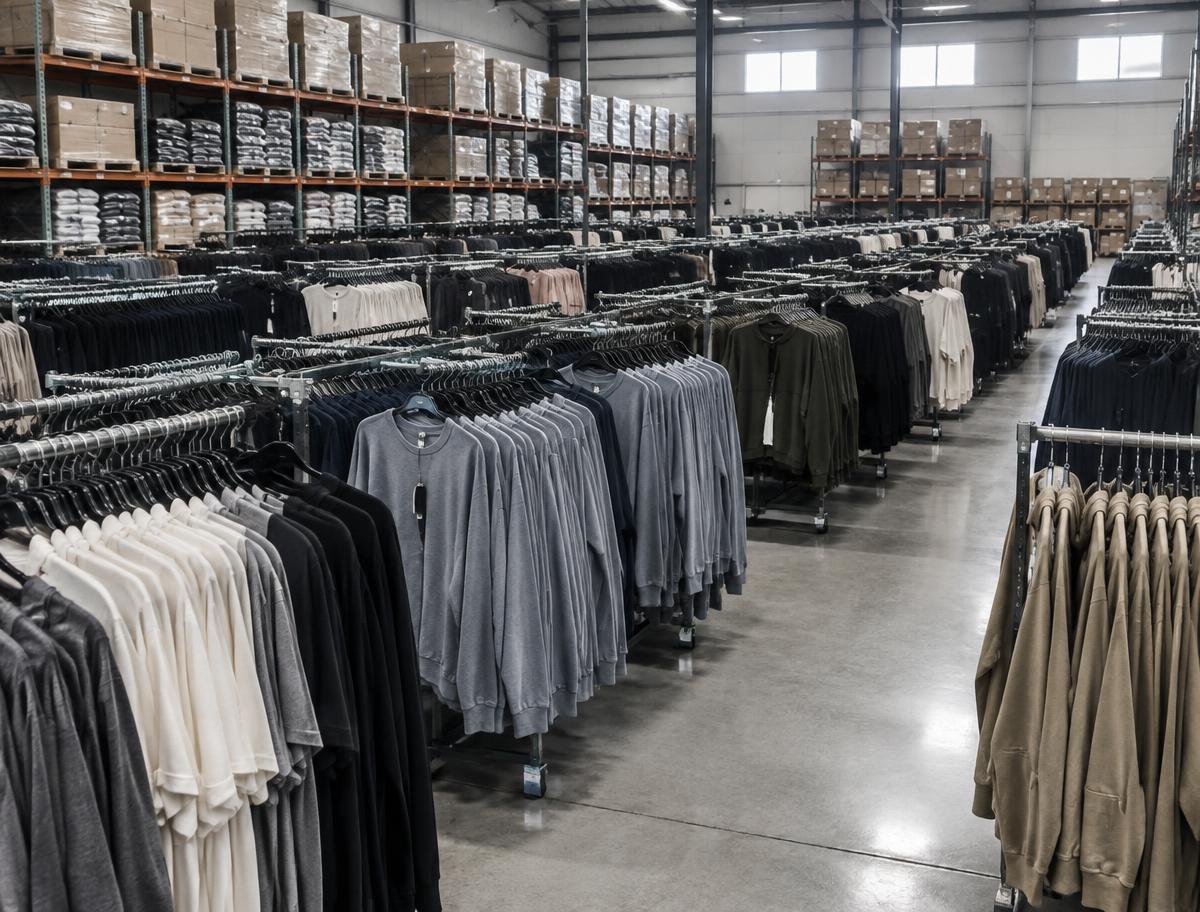
Racks of mass-produced clothing in a large warehouse

Offshore mass production

A large majority of the textile products consumed in Europe is produced abroad, often under weaker environmental and social standards. Garments are mostly mass-produced, which results in high volumes of unsold clothes and a waste of resources.
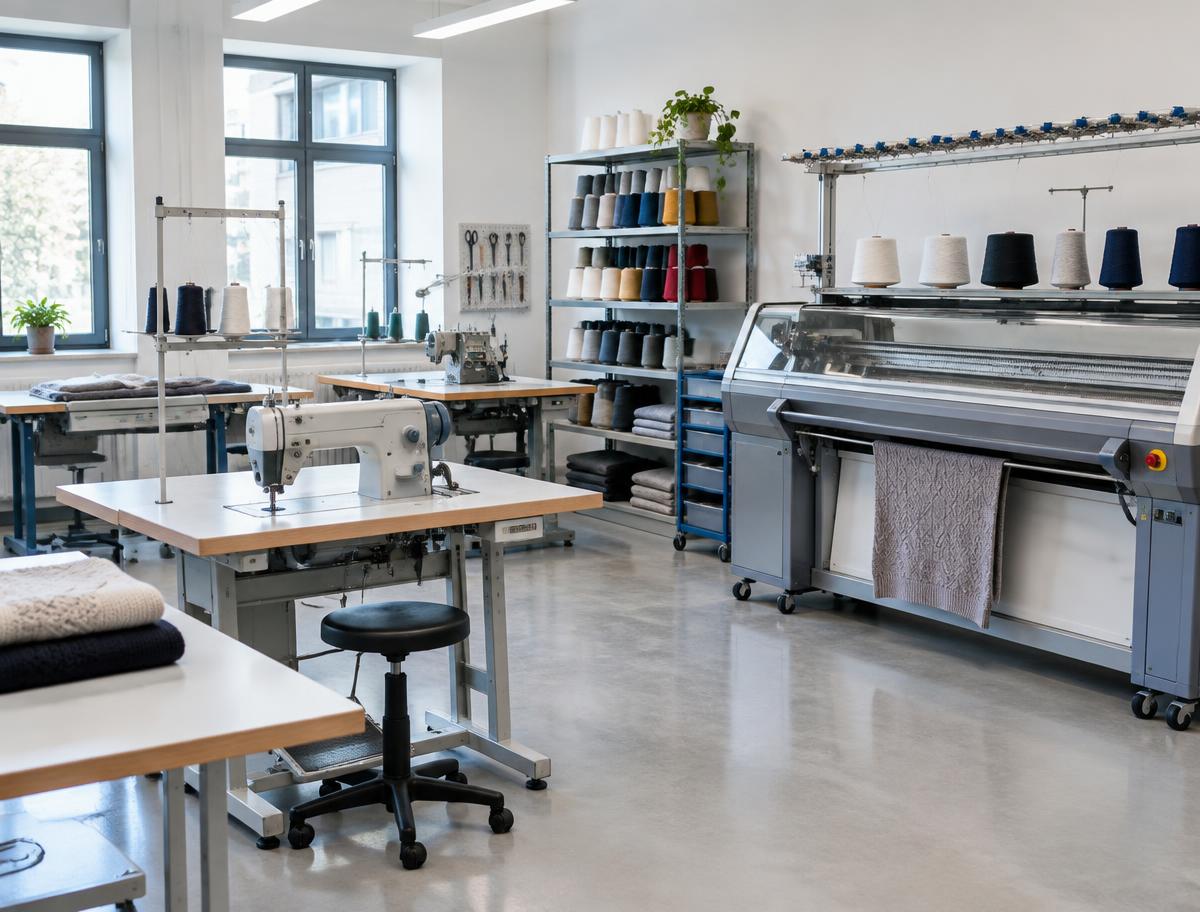
Small textile workshop with sewing and knitting machines

Fragmented production infrastructure

Existing European production capacities, microfactories and digital services are insufficiently connected. Coordination often relies on manual processes and incompatible IT systems.

Image pending

Challenge area 3

Sample content — not published project information

This sample paragraph stands in for the forthcoming editorial introduction. It gives the page a complete reading rhythm while the final project text is being prepared. Names, dates, findings and supporting references will be added only after review by the project team.

Image pending

Challenge area 4

Sample content — not published project information

This sample paragraph stands in for the forthcoming editorial introduction. It gives the page a complete reading rhythm while the final project text is being prepared. Names, dates, findings and supporting references will be added only after review by the project team.

Further challenge areas are in preparation and will be added once confirmed content is available.

ALADIN approach

Five building blocks

  • Modular Digital Platform

    A modular platform bundling design, customisation, manufacturing and use-phase services for connected garment production.

  • EU Microfactory Network

    Digitally connected microfactories across Europe that can be orchestrated for local-for-local, on-demand production.

  • Circular technologies, R-strategies and Ecodesign

    Ecodesign together with repair, reuse, remanufacturing and recycling technologies applied along the garment life cycle.

  • Business models, Training & Replication

    Business models, training and replication activities so that the approach can be taken up beyond the project consortium.

  • Local and renewable raw materials

    Local, biobased and circular fibres and yarns as the material basis for the ALADIN use cases.

Expected impact

What ALADIN aims to contribute

The following points describe intended project contributions. They are objectives, not results achieved so far.

  • Shorter, more resilient European garment value chains through local-for-local production.
  • Lower resource use by producing on demand and designing garments for repair, reuse and recycling.
  • Replicable business models and training that allow other regions to adopt the approach.

Quantified impact indicators will be published once they are validated within the project.

ALADIN solutions

Microfactory network and digital platform

ALADIN Microfactory Network

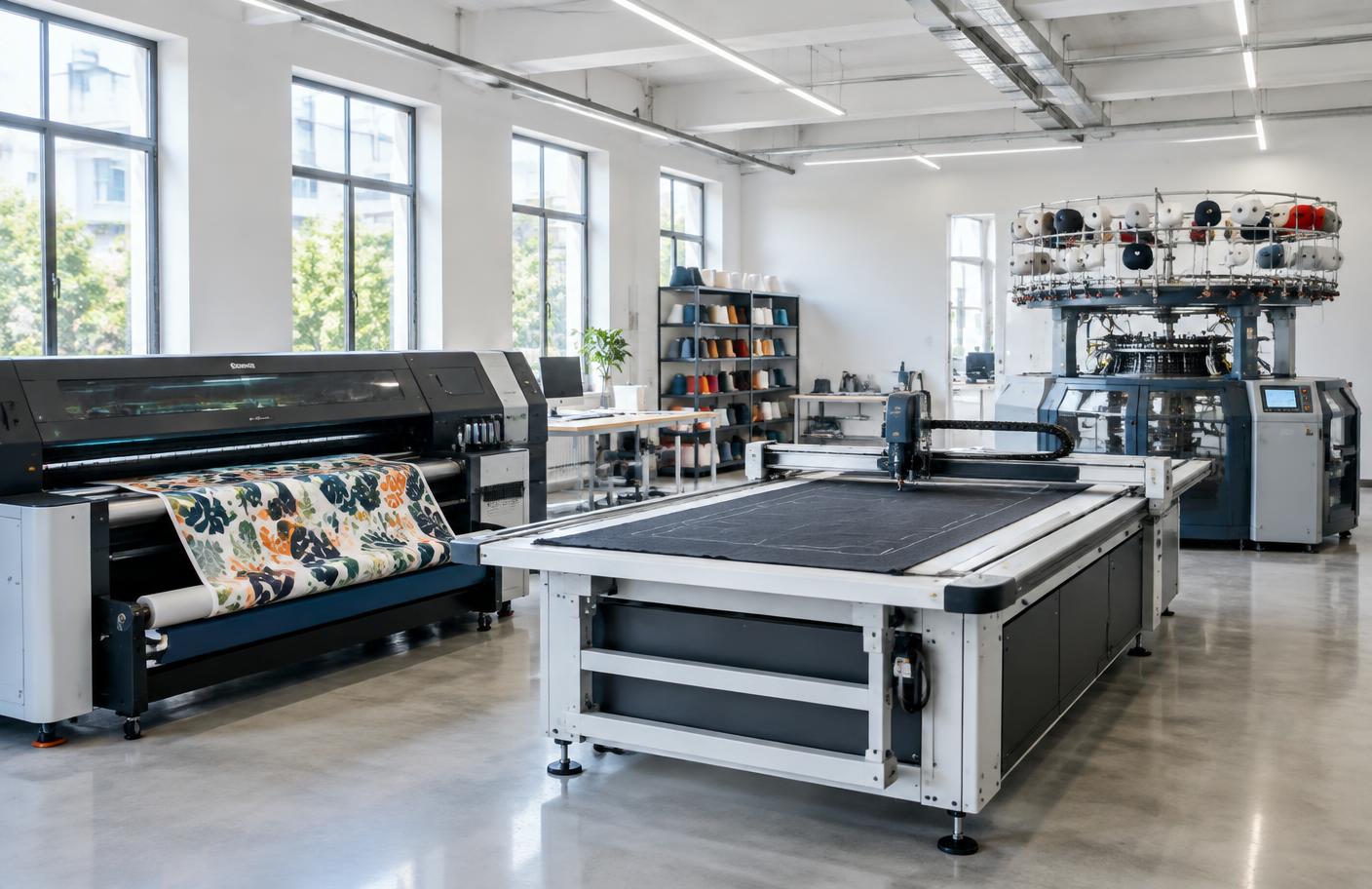
Small, flexible production units across Europe are connected into one orchestrated network, covering material sourcing, automated fabric and garment production, printing, quality control and circular R-strategies.

Microfactory workshop with digital printer, automated cutting table and knitting machine
Illustrative image. Photos of the partner microfactories will replace it.

ALADIN Digital Platform

The modular platform bundles the services that connect designers, microfactories and circular use-phase offers.

ALADIN Digital Platform

Design services

  • Design for manufacturing: techpack, BOM
  • LLM-based ecodesign

Customisation services

  • Garment configurator
  • Garment 3D visualisation

Manufacturing services

  • Orchestrated production
  • Digital Product Passport

Use-phase services

  • Garment circularity

ALADIN Network-Microfactory

Production steps

  • Material sourcing
  • (Automated) fabric production
  • (Automated) printing
  • (Automated) garment production
  • Quality control
  • R-strategies

Use cases

  • Semi-automated T-shirt
  • Smart kidswear parka
  • Circular blazer dress

The final ALADIN infographic is still being prepared; the structured overview above reflects its current draft content.